Druzhba Pipeline: The Artery of Russian Oil Exports and Its Global Strategic Significance
The Druzhba Pipeline , also known as the Friendship Pipeline , is one of the most significant and extensive oil transportation networks in the world. Stretching over 4,000…
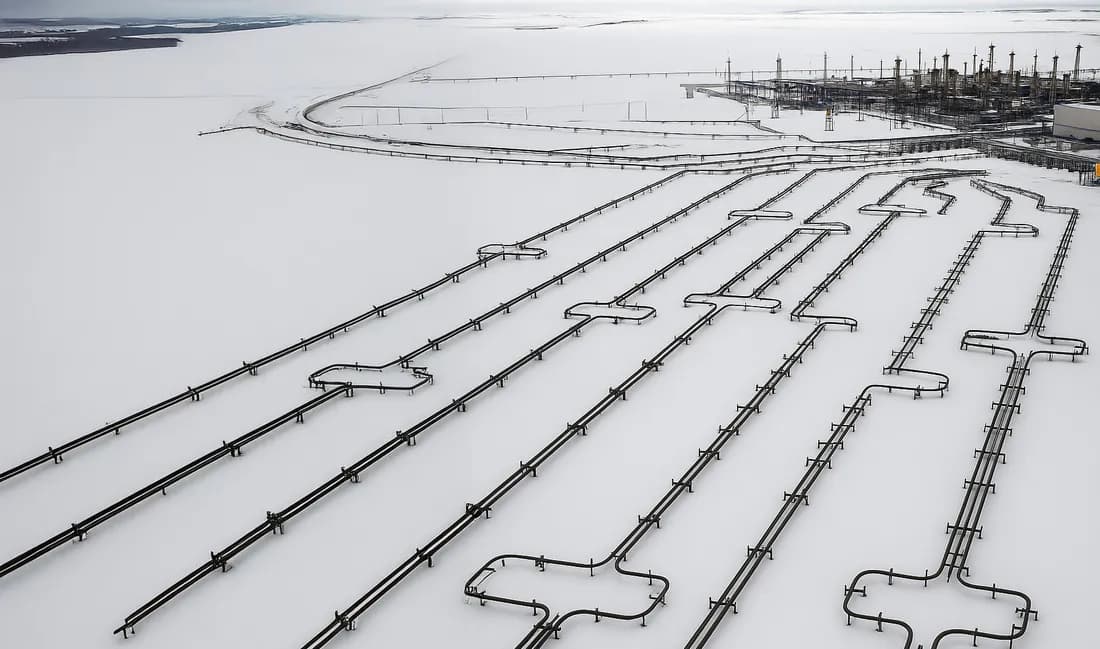
The Druzhba Pipeline, also known as the Friendship Pipeline, is one of the most significant and extensive oil transportation networks in the world. Stretching over 4,000 kilometers, it has served as a vital conduit for Russian crude oil exports to Europe since the 1960s. In this article, we provide a comprehensive overview of the Druzhba Pipeline’s history, structure, operational role, and the shifting geopolitical landscape influencing its future.
Overview of the Druzhba Pipeline
Name: Druzhba (Russian for "Friendship") Type: Crude oil pipeline Total Length: ~4,000 km (2,500 miles) Origin: Samara, Russia Terminal Countries: Germany, Poland, Czech Republic, Slovakia, Hungary Transit Countries: Belarus, Ukraine Operator: Transneft (Russia’s state-owned oil pipeline monopoly) Capacity: Approximately 1.2 million barrels per day (bpd)
Technical Specifications
Main Branches: Northern Line: Supplies Poland and Germany via Belarus Southern Line: Runs through Ukraine to Slovakia, Hungary, and the Czech Republic Pipeline Diameter: ~1,020 mm (40 inches) Operating Pressure: 7–10 MPa Infrastructure: Over 40 pumping stations and several storage facilities across multiple countries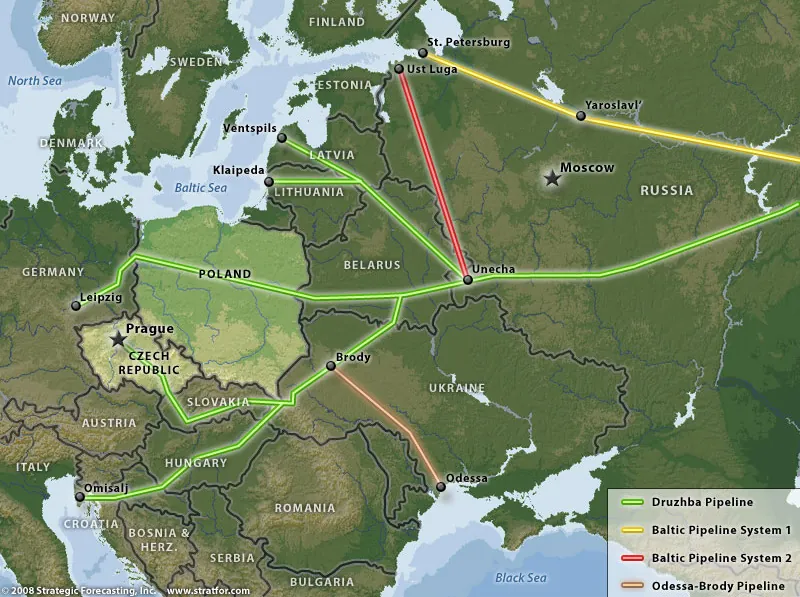
Historical Background
Commissioned during the Soviet era in 1964, the Druzhba Pipeline was built to solidify energy integration among Eastern Bloc countries. It became a symbol of socialist unity, but over time, it evolved into a key instrument of Russia’s energy diplomacy. For decades, it ensured the stable delivery of cheap Russian oil to Eastern and Central Europe.Geopolitical Importance
Druzhba is more than an engineering marvel; it's a strategic geopolitical tool. Here’s why it matters:Energy Dependence
For years, several EU countries relied heavily on Russian oil via Druzhba, making the pipeline critical for domestic energy security.Political Leverage Russia has used oil flow disruptions to exert political pressure, particularly during conflicts with Ukraine.
European Energy Strategy The European Union's energy diversification strategy seeks to reduce reliance on Russian imports. As a result, Druzhba's significance is slowly diminishing in Western Europe but remains crucial in parts of Eastern Europe.
Major Incidents & Disruptions
| Year | Event | Impact |
|---|---|---|
| 2006 | Russia-Ukraine gas dispute | Short-term oil supply interruption |
| 2009 | Transit issues in Ukraine | Renewed EU energy security concerns |
| 2019 | Contaminated oil scandal (organic chlorides) | Supply halted to Poland and Germany |
| 2022 | Russia-Ukraine War | Sanctions and voluntary EU reductions in Russian oil imports |
Economic and Strategic Impact
For Russia: A vital revenue stream; Druzhba once accounted for a major share of Russia's oil export infrastructure. Sanctions and the shift toward Asia (e.g., via the ESPO pipeline) have diversified Moscow’s focus.
For Importing Nations:
Economical access to crude oil due to lower overland transportation costs Pipeline disruption requires costly alternatives such as seaborne crude or LNGEnvironmental and Infrastructure Concerns
Aging Infrastructure: Much of the Druzhba pipeline is over 50 years old, raising concerns about leaks and efficiency Environmental Risks: Potential for spills and contamination, especially in ecologically sensitive transit zonesThe Future of the Druzhba Pipeline
As the global energy sector transitions toward diversification and decarbonization, the Druzhba Pipeline faces a redefined role:Key Trends:
Reduced Western Demand: Countries like Germany and Poland have ceased imports via Druzhba as of 2023 Continued Eastern Usage: Hungary, Slovakia, and the Czech Republic continue to depend on the southern route Alternative Corridors: Increasing use of the Baku-Tbilisi-Ceyhan pipeline and liquefied natural gas terminalsSWOT Analysis
| Strengths | Weaknesses |
| High capacity and direct land route | High political and operational risks |
| Integrated network with storage | Aging infrastructure |
| Opportunities | Threats |
| Potential integration with other Eurasian corridors | Sanctions, cyber threats, geopolitical instability |
The Druzhba Pipeline remains one of the most historically and strategically important oil transit systems in the world. While its role in Western Europe is waning due to geopolitical tensions and energy diversification strategies, it continues to play a vital role in Central and Eastern European energy markets. As the energy landscape evolves, Druzhba stands as a reminder of the deep intersection between energy infrastructure and global politics.