Why ASTM Standards Govern Quantity & Quality Assessments
In global petroleum trade, the financial transaction between buyer and seller hinges not only on the agreed unit price but also on the accurate measurement of the cargo’s…
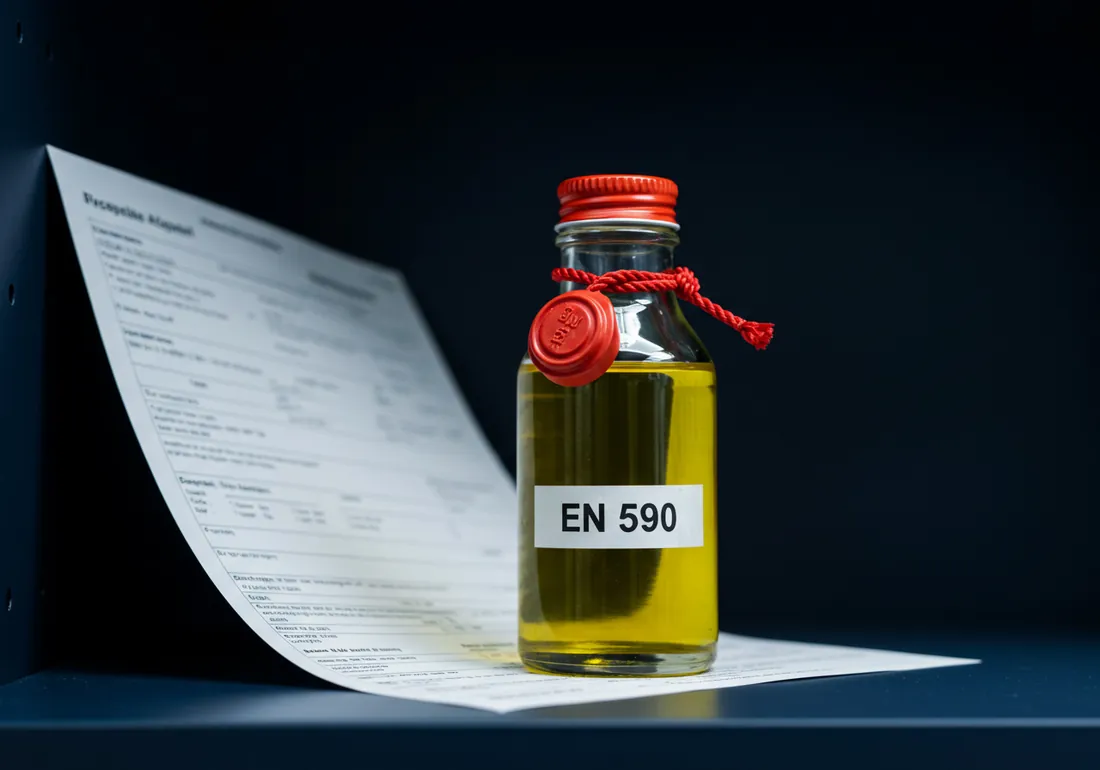
In global petroleum trade, the financial transaction between buyer and seller hinges not only on the agreed unit price but also on the accurate measurement of the cargo’s quantity and quality. These assessments are not done arbitrarily. Instead, they follow a strict framework defined by industry practices and enforced standards—chief among them, the ASTM/IP international protocols.
This article explains how these measurements are conducted, why independent surveyors are used, and how standardized tables ensure transparency and accuracy in oil trade.
Role of the Independent Surveyor Company
An independent Surveyor Company is appointed to inspect and verify the physical cargo at the time of loading or discharge. These surveyors are neutral third parties and are critical to the integrity of the transaction.
Their duties typically include:
- Measuring tank levels and temperature
- Sampling the product for laboratory analysis
- Checking conformity to agreed specifications
- Preparing official certificates of quantity and quality
The goal is to ensure that both parties have an undisputed, third-party confirmation of what has been delivered or received.
Use of Standard Industry Practices and ASTM/IP Protocols
While surveyors operate based on commonly accepted oil industry practices, the contract demands more than routine methods: strict compliance with the latest revised ASTM/IP standards is mandatory.
The ASTM (American Society for Testing and Materials) and IP (Institute of Petroleum) publish internationally recognized procedures for:
- Cargo sampling
- Density and API gravity testing
- Temperature correction formulas
- Sediment and water (S&W) content measurement
These standards ensure consistency across global markets and prevent manipulation or deviation during inspection.
Volume and Weight Conversions with ASTM Tables
Crude oil and refined products expand and contract with temperature changes. Hence, measuring volume at the observed temperature is not sufficient for commercial transactions.
To correct this:
- ASTM Volume Correction Tables are used to convert the “observed volume” to a standard volume at 15°C (or 60°F).
- The same tables are used to convert volume into weight, such as metric tons or barrels.
These conversions are critical because most sales contracts settle payment based on standard volume or mass—not raw tank readings.
Financial Implication: Payment Based on Assessed Quantity
The final assessed quantity, as verified by the surveyor and corrected to standard conditions, becomes the billing basis. The buyer calculates the total amount owed to the seller by applying the contract price to this standardized measurement.
For example:
If the assessed quantity = 98,400 barrels (at 15°C), and the contract price is $85 per barrel,
→ Payment = 98,400 x $85 = $8,364,000
Any error in measurement or deviation from standard procedures can lead to payment disputes, contract penalties, or financial loss.
In petroleum logistics and international trade, precise and verifiable measurements are non-negotiable. Independent surveyors, ASTM/IP compliance, and standardized tables are not just technicalities—they are pillars of trust, risk mitigation, and commercial clarity.
For traders, refiners, and logistics operators, understanding and enforcing these standards is essential to ensure fair trade, legal security, and financial accuracy.