Copper Cathode
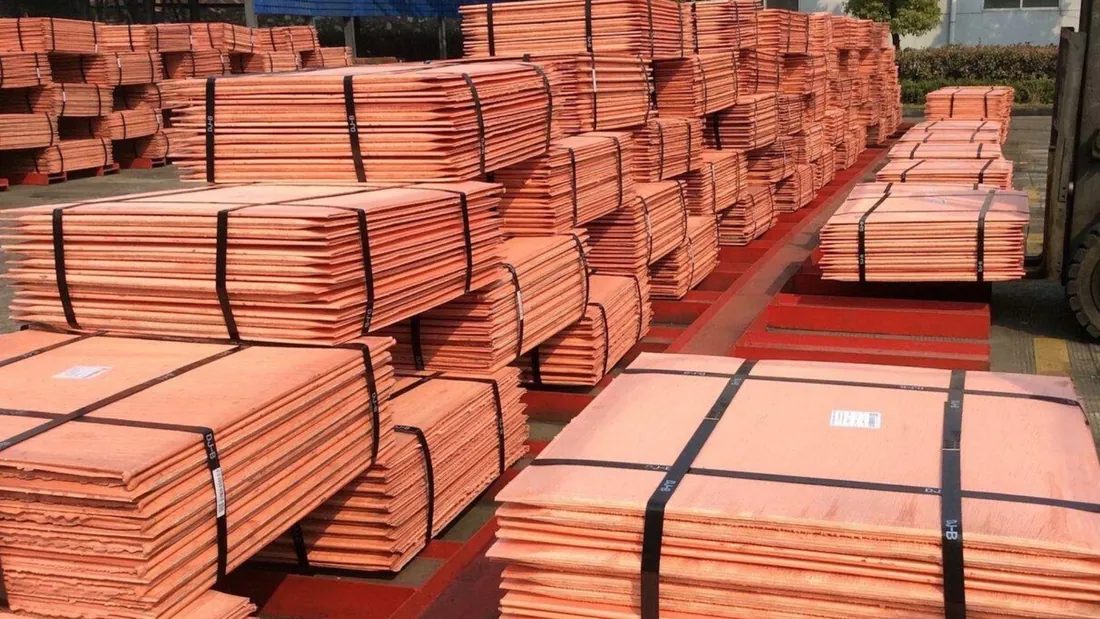
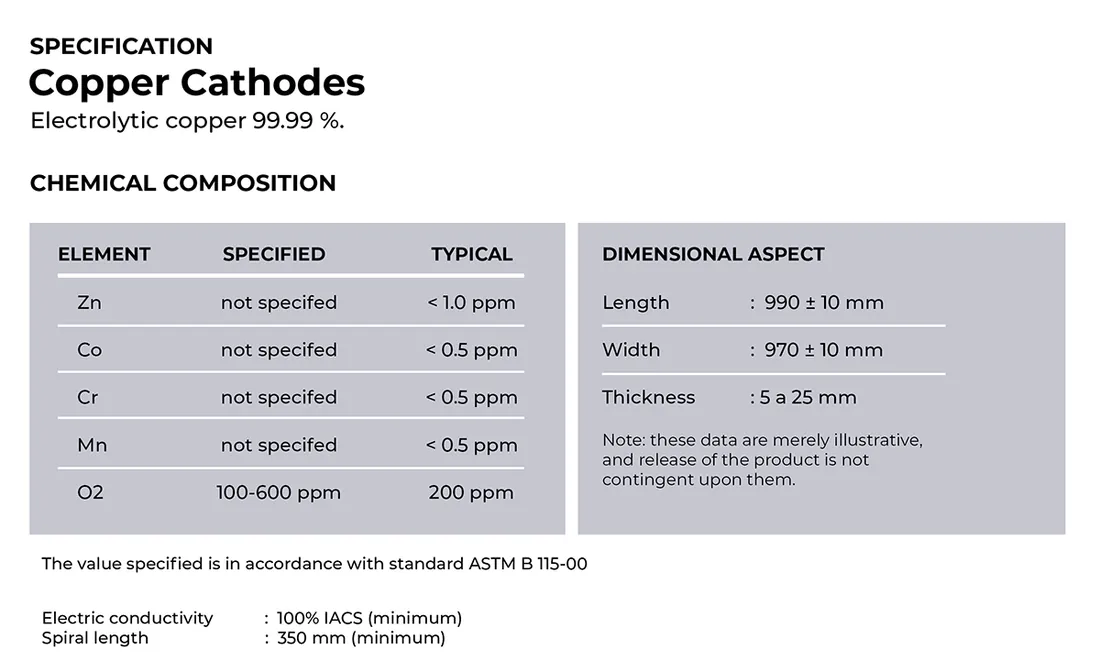
What is a copper cathode? A copper cathode is a plate of high-purity copper (typically 99.99% pure) produced through an electrorefining process. It is the primary raw…
What is a copper cathode?
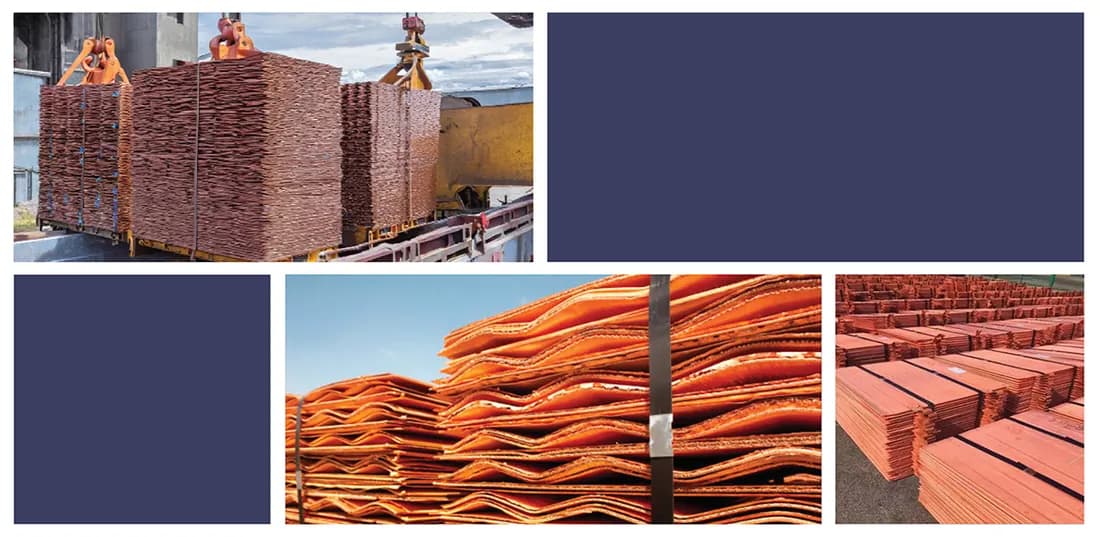
- A copper cathode is a plate of high-purity copper (typically 99.99% pure) produced through an electrorefining process.
- It is the primary raw material used to manufacture various copper products.
Manufacturing Process
Mining and Processing: Copper ore is mined and processed to create copper concentrate.
Smelting: The concentrate is smelted to produce an impure form of copper called blister copper.
Electrorefining: Blister copper serves as the anode (positive electrode) in an electrolytic cell containing a copper sulfate solution. A thin sheet of pure copper serves as the cathode (negative electrode). When an electric current passes through the cell, copper ions from the anode migrate and deposit onto the cathode, forming a high-purity copper cathode.
Uses of Copper Cathodes
Copper Wire and Cable: Used in electrical wiring for power transmission, telecommunications, and various electrical equipment.
Copper Sheets and Tubes: Used in construction (roofing, plumbing), transportation (radiators), and consumer goods.
Alloys: Copper cathodes are combined with other metals to create alloys such as brass (copper and zinc) and bronze (copper and tin), which have a wide range of industrial and consumer applications.
Why is Copper So Important?
Excellent Conductivity: Copper is a superb conductor of both heat and electricity, making it valuable in many applications.
Malleability and Ductility: Copper is easily shaped and can be drawn into wires.
Corrosion Resistance: Copper resists corrosion, making it durable in diverse environments.
Recyclability: Copper is highly recyclable without losing its properties.